
Buying Guide for Asian Ready Meals
By the Joybuy Product Recommendation Officer, August 30, 2026
The desire for authentic Asian flavours often clashes with a hectic lifestyle. Asian ready meals seem to offer the perfect solution: a quick, convenient dish that evokes memories of your last holiday or favourite restaurant. However, the market is crowded, and not every product lives up to its packaging's promise. Before you place your next order for international foods online, it's crucial to understand the most common pitfalls to avoid disappointment and unnecessary expense.
This guide will help you separate the good from the bad by highlighting what to look for when making your selection and showcasing products that meet specific criteria.
The 3 Most Common Pitfalls When Buying Asian Ready Meals
Many consumers experience a gap between expectation and reality after purchasing ready meals. These three issues are the most frequent causes of dissatisfaction:
- The "Authenticity" Trap: Many dishes marketed as "authentic" are heavily adapted to suit a Western palate. The result is often an overly sweet flavour or a generic soy sauce base that has little in common with the complex aromas of regional Japanese, Korean, or Thai cuisine.
- The Ingredient Illusion: Colourful packaging often depicts meals rich in meat, fish, or large chunks of vegetables. After preparation, however, it becomes clear that the proportion of these high-quality ingredients is minuscule, and the meal consists mainly of sauce and noodles or rice.
- The "Instant" Misinformation: A product labelled as a quick meal or instant dish can, in practice, require unexpectedly high preparation effort. Sometimes, additional fresh ingredients are needed (which aren't included), or multiple cooking steps like searing, boiling, and then mixing are required.
What to Look For Before You Buy: 3 Crucial Parameters
To ensure your ready meal meets your expectations, you should check three core aspects before purchasing. This information is usually found directly on the product page or packaging.
1. Ingredient List and Country of Origin
The ingredient list is the most objective indicator of a dish's authenticity. Look for specific ingredients typical of the respective national cuisine.
- Korean Food: Look for ingredients like Gochujang (fermented chilli paste), Doenjang (soybean paste), or kimchi. A simple soy sauce and sugar mixture often indicates a less authentic product.
- Japanese Specialities: Authentic products often contain Dashi (fish stock), Mirin (sweet rice wine), or Miso (fermented soybean paste).
- Country of Origin: A product made in Korea or Japan is more likely to follow traditional recipes than one produced in Europe for the local market.
2. Preparation Method and Net Weight
The term "quick meal" can be misleading. Check the detailed preparation instructions to gauge the actual effort involved.
- True Instant Meals: Only require adding hot water.
- Microwave Meals: Are also very fast but require a microwave.
- Pan-Fry or Boiled Dishes:Frozen Asian meals like gyoza or spring rolls often need to be fried, boiled, or steamed. This takes longer but frequently yields a better result.
Also, pay attention to the net weight and compare it with the serving size suggestion. A 400g pack advertised as "for 2 people" might not be enough, depending on your appetite.
3. Specific Certifications and Labels
For many consumers, specific dietary requirements are crucial.
- Halal Ready Meals: Look for an official Halal seal from a recognised certification body. A simple claim in the product text without a seal is less reliable.
- Allergens: The labelling of allergens such as gluten, soy, nuts, or crustaceans is legally required and should be checked carefully.
Find the right one
Here are some recommendations tailored to different needs and preferences.
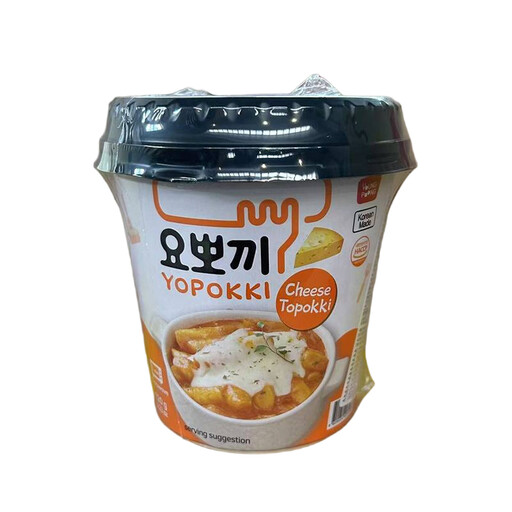
Young Poong Yopokki Instant Tteokbokki Cup, Cheese Flavor
Why This Fits Their Persona: Ideal for anyone who wants to enjoy the classic Korean street food Tteokbokki quickly and easily at home or in the office. Preparation in the cup is simple, requiring only hot water and a microwave.
This product avoids the "instant misinformation" trap, as preparation genuinely takes only a few minutes and requires no extra ingredients. What you see in the cup is what you get.
The rice cakes have the characteristic chewy texture. The cheese sauce offers a mild, creamy alternative to the often spicy original dish.
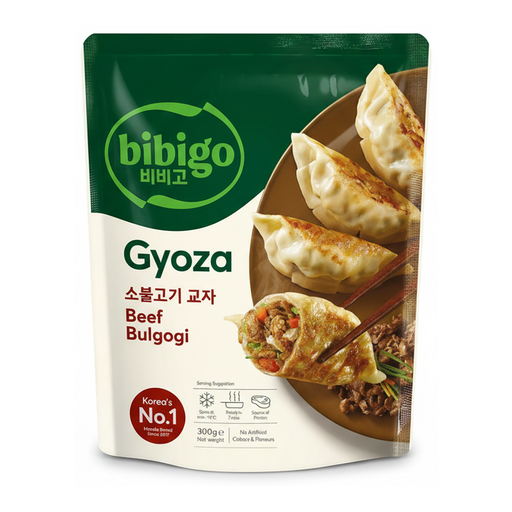
bibigo Beef Bulgogi Gyoza 300g
Why This Fits Their Persona: For professionals or families looking for a quick yet filling, protein-rich meal. These gyoza can serve as a main course with rice or as part of a larger meal.
The bibigo brand is known for its quality. The 19% beef content is clearly declared, counteracting the "ingredient illusion." Anyone specifically looking to `buy gyoza` gets a solid product here.
The bulgogi-flavoured filling is a refreshing change from the standard pork filling. Pan-frying creates an appealing texture (crispy on the outside, juicy on the inside).
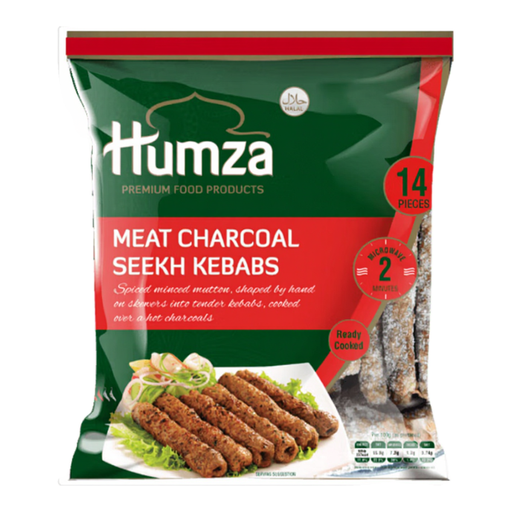
Humza Lahori Meat Charcoal Seekh Kebabs(Halal) 900g
Why This Fits Their Persona: Perfect for families or large gatherings that prioritise Halal-certified products. The 900g bulk pack is convenient for stocking up and ideal for barbecues or quick dinners.
This product meets a clear need for certified `Halal ready meals`. The "charcoal grilled" description promises an authentic smoky flavour that goes beyond simple seasoning.
The kebabs are pre-cooked and only need to be heated, which significantly simplifies preparation. The high protein content of 18g per 100g makes them a nutritious option.
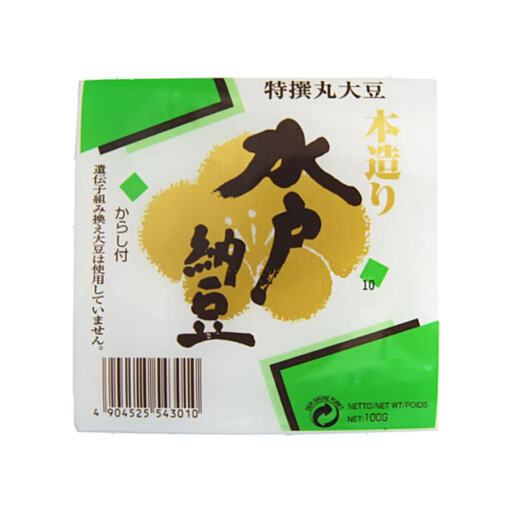
JFC Marudaizu Natto 100g
Why This Fits Their Persona: For connoisseurs and the curious who want to try one of the most distinctive `Japanese specialities`. Natto is not a dish for everyone but a specific cultural item with a unique taste and texture.
This product avoids the "authenticity trap" by not even trying to appeal to the mass market. It is a niche product that delivers exactly what it promises: fermented soybeans.
Offers an authentic Japanese breakfast experience. The pack includes the traditional accompanying sauce and mustard packets for mixing. It is a good source of protein.
Looking for More Options?
We have compiled a complete, up-to-date list of products that fully meet these strict selection criteria and all relevant regulations.
Frequently Asked Questions (FAQ)
1. How do I correctly store opened frozen Asian meals?
Frozen Asian meals should be returned to the freezer at -18°C or colder as soon as possible after opening. Use a clip or a resealable bag to seal the packaging airtight. This prevents freezer burn and preserves quality. Products that have been thawed should not be refrozen.
2. How can I identify the quality of Asian ready meals online?
Read the product description and ingredient list carefully. Pay attention to the country of origin and specific, authentic ingredients. Customer reviews can also be helpful, but focus on comments that describe objective aspects like meat content, spiciness, or texture, rather than purely subjective opinions on taste.
3. Is the preparation time on the packaging always realistic?
The specified time is a guideline. The actual duration can vary depending on the power of your appliances (microwave, hob). For pan-fried dishes like gyoza, it might take some practice to achieve the perfect cooking point and desired browning. As a precaution, plan for a few extra minutes the first time you prepare a new product.