
Buyer's Guide to Asian Instant Noodle Flavors
By Joybuy Product Recommendation Officer, August 29, 2026
Asian instant noodles are more than just a quick convenience meal; they offer a journey through the diverse flavor worlds of Asia. But the growing market can be overwhelming. Packaging often promises more than the contents deliver, leading to disappointment. This guide will help you navigate the most common purchasing pitfalls and make a choice that truly matches your taste expectations.
The 2 Most Common Pitfalls When Buying Instant Noodles
Many shoppers end up with products that don't meet their expectations. Watch out for these typical issues to avoid buyer's remorse.
- The "Authenticity" Trap: A product is advertised as "authentic" or "traditional," but the seasoning mix consists mainly of salt and artificial flavors. The promised depth of flavor—be it the fiery heat of Korean noodles or the complex sourness of a Tom Yum soup—is completely absent. The result is a bland broth that has little in common with the original dish.
- Misleading Product Imagery: The packaging displays a bowl brimming with lush toppings like meat, fresh vegetables, and seafood. Inside the package, however, you'll only find noodles, a powder packet, and perhaps a few flakes of dried vegetables. The noodle quality itself can also be an issue—instead of the firm, elastic noodles pictured, you get a mushy texture that quickly falls apart.
What to Look for Before You Buy: 3 Key Criteria
To make the right choice, you should check three core parameters. These will give you reliable indicators of quality and flavor profile, regardless of marketing promises.
1. Country of Origin and Flavor Profile
The origin is often the most direct indicator of the expected taste. The differences are significant:
- Korean Noodles: Known for their intense and often extreme heat. Brands like Nongshim are leaders in this category. The seasoning base frequently contains gochujang (chili paste) or gochugaru (chili powder), which provides a deep, lingering heat. Look for products like the famous "Shin Ramyun" if you prefer spicy noodles.
- Japanese Ramen: Here, the focus is on the quality of the broth (dashi). Flavor profiles like miso (fermented soybean paste), shoyu (soy sauce), or tonkotsu (pork bone broth) are common. Nissin Demae Ramen is a classic example of a balanced Asian noodle soup where the harmony of flavors is paramount.
- Southeast Asian Styles (e.g., Thailand, Singapore): These are characterized by a complex blend of sour, spicy, sweet, and salty. A Tom Yum soup from Thailand offers a lemony, spicy kick, while a Laksa from Singapore or Malaysia scores with a creamy coconut milk base and a savory shrimp paste.
2. Noodle Type and Texture
The noodles are the heart of the dish. The manufacturing process significantly influences the eating experience.
- Fried Wheat Noodles: This is the standard for most instant noodles. They are pre-cooked and fried to extend shelf life and shorten preparation time. They absorb broth well but can become soft if overcooked.
- Non-fried Noodles (Air-dried): These are often found in premium products. They have a firmer, chewier texture that is more reminiscent of fresh ramen. Preparation usually takes a few minutes longer, but the result is a noticeably superior mouthfeel.
- Specialty Noodles: Some products use rice noodles (vermicelli), which are naturally gluten-free and have a smoother texture, or even more exotic varieties like canna starch noodles, which have a particularly silky consistency.
3. Composition of the Seasoning Mix
A look at the ingredients of the seasoning packets reveals a lot about the quality.
- Powder vs. Paste: A seasoning paste often contains more concentrated and fresher flavors than pure powder. Pastes based on chili, garlic, shallots, or shrimp extract indicate a more complex flavor profile.
- Separate Seasoning Components: High-quality products often include multiple packets: a base broth, a seasoning oil (which carries aromas), and sometimes a separate packet of chili powder or dried toppings. This allows for some customization of the spice level and flavor intensity.
Flavors for Every Palate
Here are some recommendations tailored to different preferences, taking the above criteria into account.
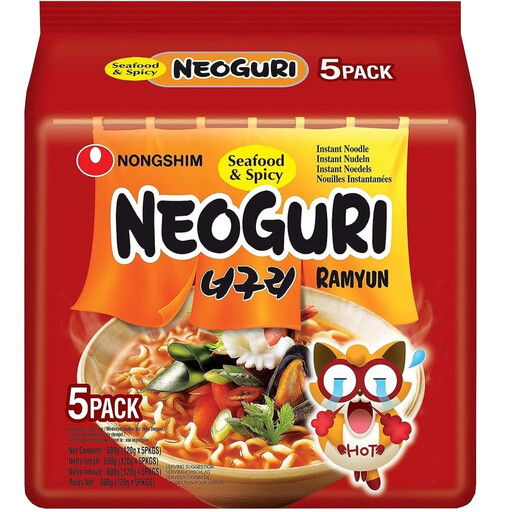
Nongshim Neoguri Seafood & Spicy Noodles, 5 x 120g
Why This Fits Their Persona: Ideal for those who crave a bold, unmistakable heat typical of Korean cuisine. The combination of a spicy broth and seafood aroma delivers an intense flavor experience.
This product bypasses the "authenticity" trap with a seasoning base of red chili and seafood extracts, delivering a genuine, profound heat instead of just saltiness.
The thick, chewy Udon-style noodles absorb the spicy broth exceptionally well. A single piece of kombu seaweed adds an extra layer of umami.
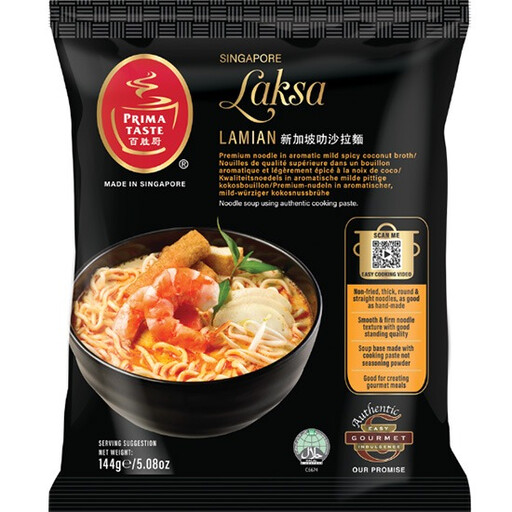
Prima Taste Laksa La Mian 144 g
Why This Fits Their Persona: Perfect for foodies seeking a rich, creamy, and aromatic soup that goes beyond a simple noodle soup. The authentic taste of a Singaporean Laksa is the star here.
Instead of a simple powder, this product includes two packets: a complex Laksa paste with dried shrimp and galangal, and a coconut milk powder premix. This creates an authentic, creamy texture and depth.
The non-fried La Mian noodles are steamed and air-dried, giving them an exceptionally firm and elastic texture that is reminiscent of restaurant quality.
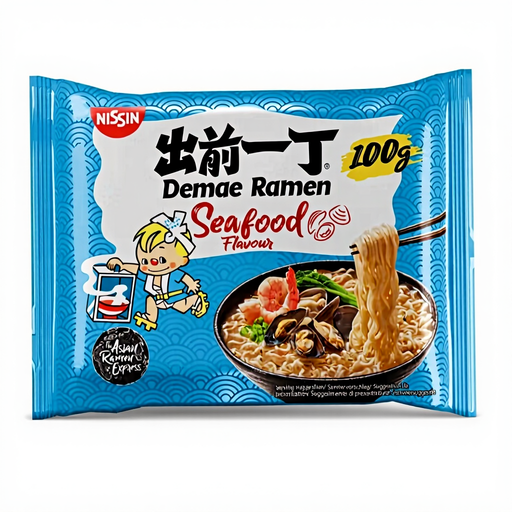
NISSIN Instant Demae Ramen Noodle Seafood, 100g
Why This Fits Their Persona: A reliable and straightforward choice for a quick meal with a classic Seafood Ramen flavor. Ideal for students and professionals looking for a tried-and-true option without extreme heat.
As the pioneer of instant noodles, Nissin delivers consistent quality and portion size. The broth is based on clam extract and offers a balanced seafood flavor that isn't just salty.
Extremely quick preparation in just 3 minutes. The brand is known worldwide for its consistent noodle texture and reliable taste.
Looking for more options?
We have compiled a full, up-to-date list of products that fully meet these strict selection criteria and German food regulations.
Frequently Asked Questions (FAQ)
1. How can I adjust the spiciness of instant noodles? Many products, especially Korean noodles, include a separate packet of chili powder or oil. To reduce the heat, start by using only a portion of the contents and taste the broth before adding more. You can also mellow the spiciness by adding cream, coconut milk, or a slice of cheese.
2. What is the main difference between Korean and Japanese instant ramen? The fundamental difference lies in the flavor profile. Korean noodles emphasize bold, savory, and often very spicy noodles. Japanese ramen, on the other hand, focuses on the complexity and umami content of the broth, which is often milder but more profound in flavor.
3. Are more expensive Asian instant noodles worth the extra cost? A higher price often correlates with objective quality features. These include non-fried noodles with better texture, more complex seasoning pastes instead of powders, and the use of real extracts (e.g., shrimp paste, mushroom extract) instead of artificial flavors. Whether the extra cost is worth it depends on your personal preference for texture and depth of flavor.