
Buying airtight food storage containers: what matters about material, seal and size
Flour, rice, cereal, pasta and pet food need to be stored hygienically in a dry environment. Sealing food storage containers airtight can help reduce moisture, odours and the risk of pests getting in. However, not every container with a lid that appears tightly sealed is suitable for every purpose.
Common pitfalls when buying airtight food storage containers
1. “Airtight” is not always explained in practical terms
A lid can fit firmly without being suitable for liquids or frequent opening. The key factors are the design of the closure, whether a seal is present and how the container is used. With flip-top lids, all locking points should click fully into place. For containers with snap closures, the lid must be closed evenly all the way around.
2. Oversized containers make everyday use more difficult
A 12-litre container offers plenty of capacity, but it also takes up a corresponding amount of space in a kitchen cupboard. For smaller households or daily meal-prep use, 500 millilitres to 2 litres may be more practical. An oversized food storage container for the kitchen can also become very heavy when filled with rice, flour or pet food.
3. Material and cleaning requirements are often overlooked
Not every plastic food storage container is suitable for use in the microwave, freezer or dishwasher. Glass containers can also be damaged by sudden temperature changes. Statements such as “dishwasher-safe” should therefore always be checked together with any restrictions applying to the lid.
Check these specifications before buying
Closure system and seal
For dry foods such as sugar, flour and cereal, a tightly closing lid with a silicone seal is usually sufficient. For leftovers or prepared meals, an additional leak-proof closure is useful. Four-sided closures distribute pressure evenly around the rim, while flip-top lids provide quick access when pouring.
Look out for the following details:
- seal made from silicone or a comparable sealing material
- closures that lock securely into place
- clear information on suitability for dry or liquid foods
- replacement or separately removable seal, where specified
- close the lid fully before storing
“Aroma-tight” or “waterproof” should not automatically be taken to mean that the container is suitable for all liquids without restriction. The product description and instructions for use remain the decisive sources of information.
Material for the intended use
Polypropylene (PP) is lightweight and shatter-resistant. A BPA-free PP food storage container is often suitable for everyday use, provided the manufacturer explicitly states the relevant applications. When using a container in the microwave, the lid should usually be removed or opened so that steam can escape.
Borosilicate glass is transparent, has low odour retention and is appealing to many users who want to store and heat food in the same container. Temperature limits still apply, however. A glass container should not be moved directly from the freezer into a very hot oven.
Metal is mainly suitable as a biscuit tin or chocolate tin for dry foods. Metal boxes are generally not designed for use in the microwave, oven or with liquids, and often need to be washed by hand.
The following applies to all materials: look for confirmation that the product is suitable for food contact. Terms such as “food-safe” or equivalent manufacturer information should be clearly stated and verifiable in the product description.
Capacity and storage footprint
The right size depends on both the contents and where you intend to store the container:
- 500 ml to 1.1 litres: leftovers, snacks, spices or small meal-prep portions
- 1.5 to 2 litres: cereal, pasta, rice or smaller quantities of baking ingredients
- 5 litres: larger quantities of flour, sugar, cereals or pet food
- 12 litres: supplies for families, frequent baking or storing larger quantities of pet food
Measure the height, width and depth of your cupboard before buying. Stackable food storage containers should sit securely on top of one another while still being easy to remove without having to rearrange everything.
Our selection by user profile
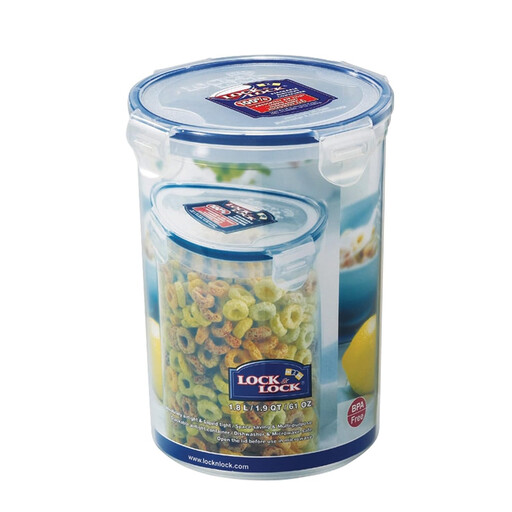
LocknLock PP Classics Round Container 1.8L
Why this product suits this profile: This round 1.8-litre container made from transparent PP is designed for smaller quantities of food, leftovers and meal-prep ingredients. According to the product information, it is BPA-free and suitable for use in the microwave, freezer and dishwasher.
The clear design makes it easy to check the contents. The snap-on lid is intended to close tightly all the way around; according to the instructions, the lid should be removed when using the container in the microwave.
1.8-litre capacity, transparent PP construction and stated suitability for the fridge, freezer and dishwasher.
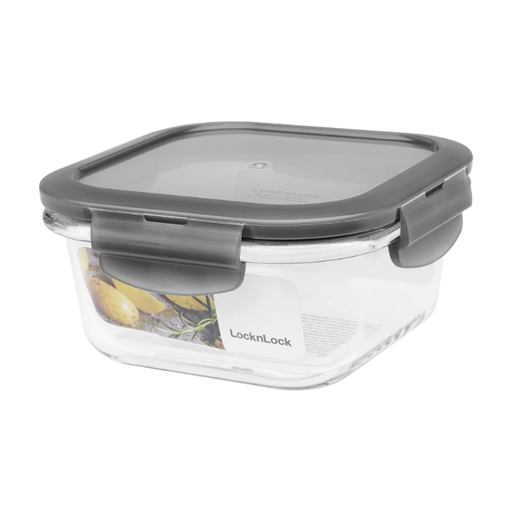
Lock & Lock Boroseal Glass Food Container – 500 ml
Why this product suits this profile: This 500 ml borosilicate glass container is designed for portions, leftovers and smaller meal-prep quantities. According to the product information, the glass is oven-safe up to 400 °C; the lid must not be placed in the oven or microwave.
The clearly stated usage limits prevent the oven-safe glass from being confused with the non-heat-resistant lid. Sudden temperature changes should be avoided.
Borosilicate glass, 500 ml capacity, stackable square design and stated suitability for the freezer, microwave and dishwasher for the container.
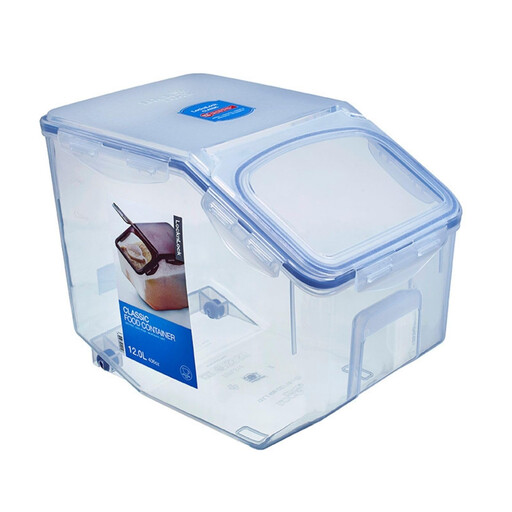
LocknLock Kitchen Caddy 12L
Why this product suits this profile: With a capacity of 12 litres, this rectangular container is suitable for larger quantities of flour, rice, pasta, cereals or pet food. A measuring cup helps with controlled dispensing.
Before buying, compare the dimensions of approximately 35 × 23 × 27 cm with the available cupboard space. The flap must not remain closed when the container is used in the microwave.
12-litre capacity, transparent construction, measuring cup, stackable design and, according to the product information, suitability for the dishwasher, freezer and microwave without the lid.
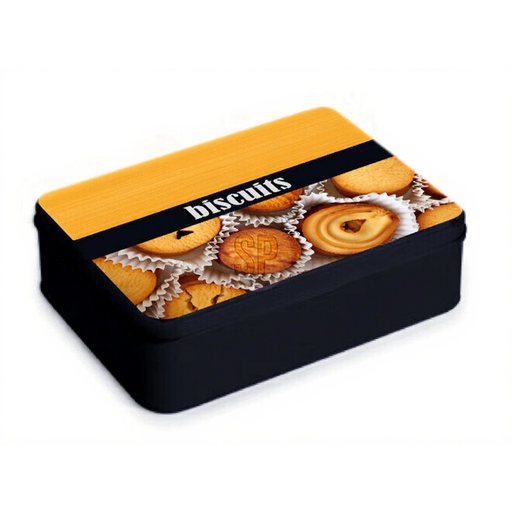
Storage Tin 26 × 19 × 5 cm Cookies
Why this product suits this profile: This flat metal tin, with a capacity of 1.2 litres, is intended for biscuits, baked goods and dry snacks. It can be stored on a shelf or worktop.
Its intended use is clear: the tin is not designed for liquids and is neither dishwasher- nor microwave-safe. It should be cleaned by hand.
Aluminium construction, flat dimensions, 1.2-litre capacity and a matching lid for dry baked goods.
Looking for more options?
We have compiled a complete, regularly updated list of products that fully meet these strict selection criteria and the safety regulations applicable in the EU.
Care and use for a longer service life
Before first use, clean the containers and lids with warm water and mild washing-up liquid. Dry all parts completely before filling them with flour, rice or other dry foods. Residual moisture can encourage clumping and unpleasant odours.
For reliable use, we also recommend:
- do not use sharp objects inside the container
- check seals regularly for cracks and deformation
- stop using damaged containers or lids
- leave enough room for expansion when storing frozen food
- follow the manufacturer’s microwave and oven instructions
- do not heat metal containers or plastic containers that are not approved for heating
Frequently asked questions about airtight food storage containers
Which food storage container is suitable for flour and rice?
Dry, well-sealed containers with sufficient capacity are suitable for flour and rice. A storage container for flour and rice should be completely dry and easy to empty. A 5- or 12-litre container may be useful for larger quantities; for smaller supplies, 1.5 to 2 litres is often sufficient.
Are airtight food storage containers dishwasher-safe?
That depends on the model. According to the manufacturer’s information, many PP containers are dishwasher-safe, while lids or seals should be cleaned separately. With a glass food storage container, the glass container is often approved for use in the dishwasher, but the lid may not be. Always check the care instructions for each individual part.
How long do airtight food containers last?
There is no one-size-fits-all answer. Service life depends on the material, how the container is used and cleaned, and exposure to temperature changes. Regularly checking for cracks, brittle areas, loose closures and damaged seals can help you identify when it is time for a replacement. The container should also only be used for its intended purpose.