
Airtight Food Containers: A Buyer's Guide to Choosing the Right One
By Joybuy Product Recommendation Officer, August 29, 2026
We've all been there: you invest in a set of food containers to keep food fresh and simplify meal prepping, only for disappointment to set in. The lunch salad is soggy, the sauce has leaked into your bag, or the lid no longer seals properly after just a few washes. The 'airtight' promise often falls short.
The cause often lies in common product flaws and marketing traps that aren't obvious at first glance. Before you make a purchase, you should know the three most common weaknesses that can render a seemingly good container useless:
- The 'Airtight Doesn't Mean Leakproof' Trap: Many manufacturers advertise an airtight seal. In practice, however, this doesn't necessarily mean the container will hold up against liquid contents like soups or dressings. A weak gasket or an inadequate locking mechanism can quickly lead to problems.
- Premature Material Fatigue: Cheap plastic can lose its shape at extreme temperatures. A container that becomes brittle in the freezer or warps in the microwave or dishwasher loses its precise fit. The lid no longer closes flush, and the airtight function is gone.
- Impractical Design: Poorly stackable containers waste valuable space in your fridge and kitchen cabinets. Round or awkwardly shaped containers are often inefficient to arrange and lead to clutter.
A thoughtful selection will save you from these frustrations and ensure your investment pays off in the long run.
What Really Matters in Your Selection: The Core Parameters
To separate the wheat from the chaff, you should closely examine three technical features. These define the durability and functionality of a food storage container.
1. Material and Safety: More Than Just 'BPA-Free'
The BPA-free label is now a crucial standard for plastic storage containers. Bisphenol A (BPA) is a chemical compound suspected of being harmful to health, which can leach from plastic, especially when heated. Therefore, ensure that products are explicitly labelled as BPA-free.
A proven material for high-quality food containers is Polypropylene (PP). It is robust, food-grade, and has good temperature resistance. Unlike lower-quality plastics, PP retains its shape and remains odour-neutral even with frequent use in the dishwasher or freezer.
2. Locking Mechanism: The Heart of the Seal
A simple snap-on lid is often not enough to seal a container reliably. Effective systems combine several elements:
- Multi-Sided Locking: Systems with locking clips on all four sides of the lid distribute the closing pressure evenly. This ensures a firm and secure fit.
- Silicone Gasket: A continuous silicone gasket integrated into the lid is crucial for a truly airtight and watertight seal. It conforms precisely to the container's rim, closing any potential gaps. For example, high-quality LocknLock storage containers often use a patented system with a hollow-centre silicone seal, which guarantees an exceptionally strong and long-lasting seal.
This combination is what makes a container a truly leakproof lunch box.
3. Versatility: From Freezer Tubs to Meal Prep Boxes
Practical food containers are all-rounders. Check the manufacturer's specifications for the following properties to ensure maximum flexibility in your daily routine:
- Freezer- and Microwave-Safe: Suitability for the freezer (often down to -20°C) and microwave (often up to +120°C or +140°C) is essential for meal prep boxes. This allows you to prepare dishes, freeze them, and reheat them directly in the container. Important: The lid must typically be removed or at least opened in the microwave to allow steam to escape.
- Dishwasher-Safe: Being dishwasher-safe is a must for easy and hygienic cleaning. Look for instructions on whether the containers should be placed only in the top rack to protect the material.
Recommended Picks for Every User
Not everyone needs the same type of food container. We have matched some models based on typical use cases.
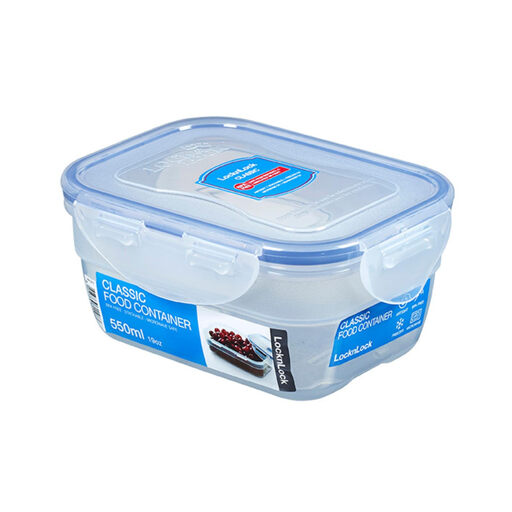
LocknLock Airtight Food Storage Container 550ml
Why This Fits Their Persona: Ideal for single servings, office lunches, or snacks. The compact 550 ml size is perfect for daily transport and fits into most bags without taking up much space.
The patented 4-sided locking system with a silicone seal ensures reliable, leakproof performance, even with liquid-heavy foods like yoghurt or salad dressing.
Made from BPA-free polypropylene, the container is microwave- (without lid), freezer-, and dishwasher-safe. The transparent material allows for a quick overview of the contents.
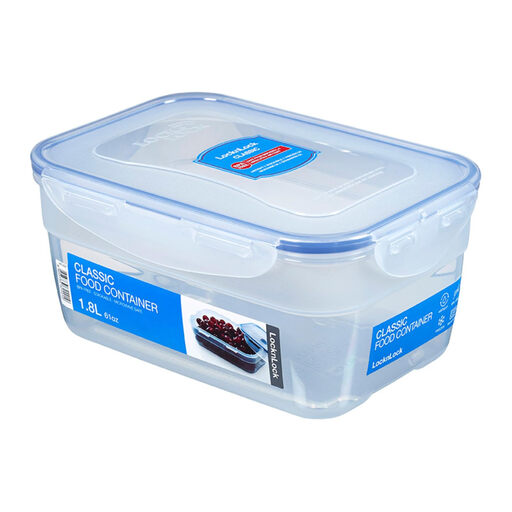
LocknLock Airtight Food Storage Container Set of 3 – 1.8L Each
Why This Fits Their Persona: This food container set is ideal for families who store larger quantities of leftovers, prep meals for several days, or want to store dry goods like flour and pasta. The 1.8-litre volume per container offers ample space.
The rectangular, stackable design makes optimal use of space in the fridge and pantry, countering the trap of inefficient design. The robust construction resists material fatigue from frequent use.
The set offers excellent value for money when purchasing multiple large containers. The containers are versatile for storage, freezing, and reheating.
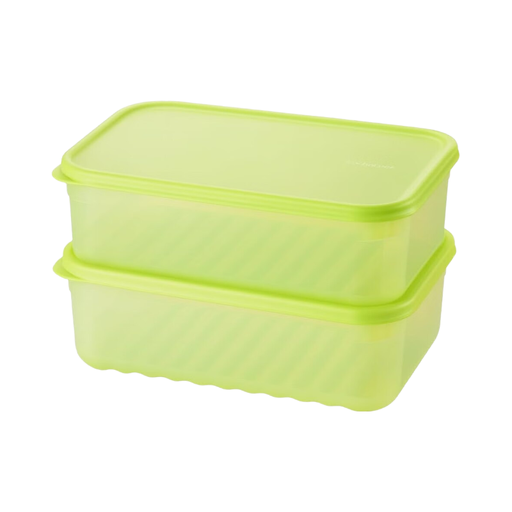
LocknLock Fresh Block Food Container 3.2L Set of 2
Why This Fits Their Persona: Perfect for health-conscious individuals who store large quantities of fruits and vegetables. These containers are specifically designed to extend the shelf life of fresh produce.
These containers go beyond simple airtight storage. According to the manufacturer, they absorb ethylene gas, which accelerates the ripening process. This is a specific function that generic containers do not offer.
The large 3.2-litre volume is suitable for whole salads, large portions of fruit, or vegetables. Air circulation inside further helps to preserve freshness.
Looking for More Options?
We have compiled a complete, up-to-date list of products that fully meet these strict selection criteria and safety regulations.
Frequently Asked Questions (FAQ)
1. Can airtight plastic food containers stain?
Yes, plastic can stain, especially with strongly coloured foods like tomato sauce, curry, or carrots. This is typically a purely aesthetic issue and does not affect the container's function or food safety. To minimise staining, you can rub the container with a little cooking oil before filling it with such foods, or clean it thoroughly immediately after use.
2. How do you properly clean the silicone seal to prevent odours?
The silicone gasket is often the main culprit for lingering odours. On most high-quality containers, the gasket can be removed from the lid for cleaning. Wash it by hand with warm water and dish soap. For stubborn odours, it can help to soak the gasket for a few hours in a mixture of warm water and vinegar or baking soda, then rinse it well. Let the gasket air dry completely before reinserting it.
3. Are all BPA-free plastic containers microwave-safe?
No, not necessarily. 'BPA-free' refers to the chemical composition, not heat resistance. Whether a container is microwave-safe depends on the type of plastic used (e.g., polypropylene) and its thickness. Always check the manufacturer's specifications and the symbols on the bottom of the product. Also, always follow the instruction to remove or open the lid before heating.